Blog
What Your Outfit Colors Say About You

cprocesses. When people believed they were wearing a doctor’s coat, they performed better on focus tasks; when told it was just a painter’s coat, the effect disappeared. The meaning we attach to clothing literally changes the brain’s performance. So yes — that outfit you choose for confidence isn’t vanity. It’s neuroscience.
Fashion psychology dates back to the late 19th century, when thinkers such as Wilhelm Wundt and Thorstein Veblen began to notice how fashion reflects identity and social class. But today, it’s about emotion more than economics. It’s about how colors carry energy.
‘’Fashion isn’t a costume. It’s your soul choosing how it wants to be seen today.’’
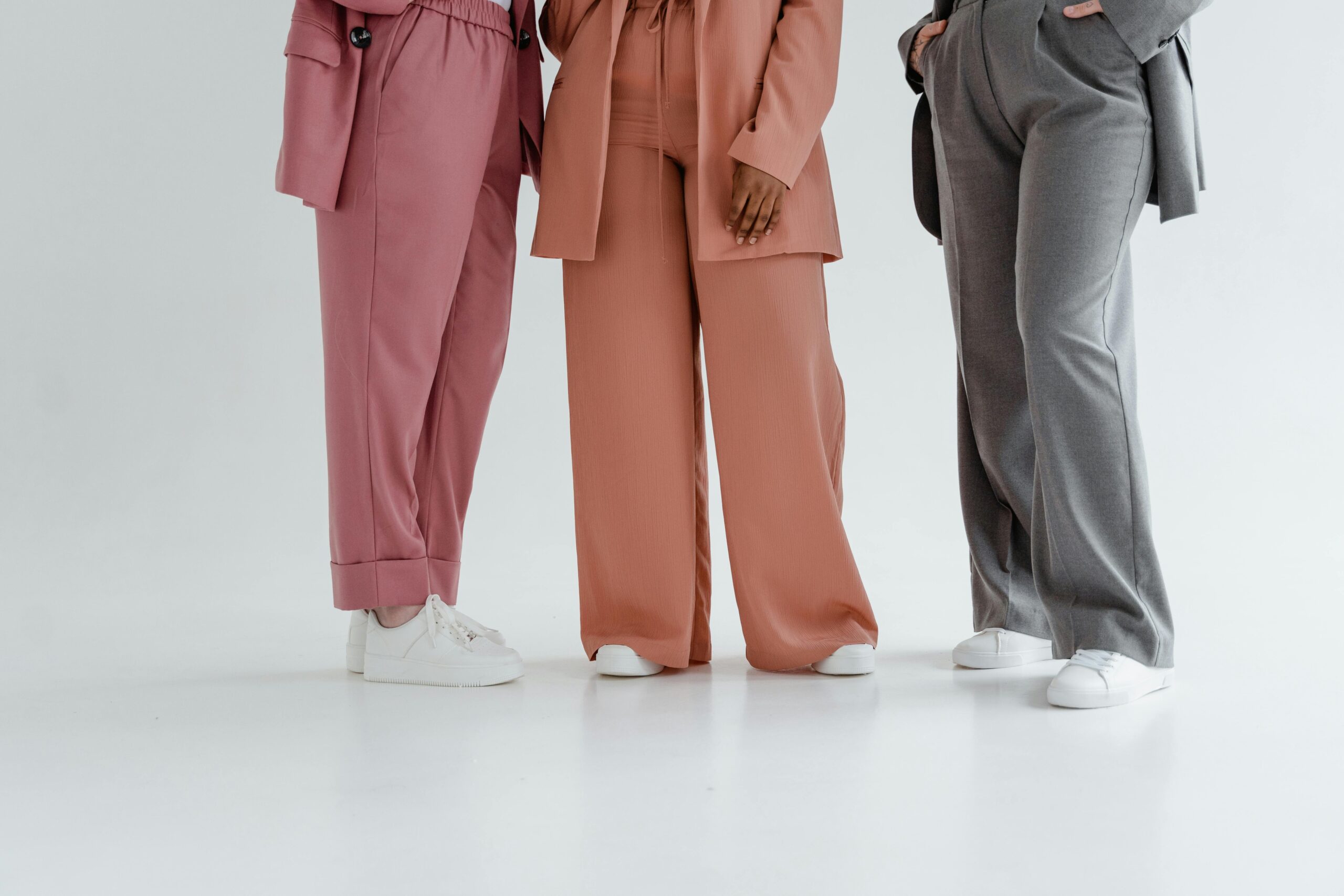
Red, for example, isn’t just bold — it’s primal. Studies show people wearing red appear more attractive, assertive, and even dominant. That’s why villains and lovers alike — from Scarlett O’Hara to Harley Quinn — wear it when they want the world to look their way. Blue, on the other hand, soothes; it’s trust and calm wrapped in fabric, which explains why so many corporate uniforms and political campaign suits are navy. And white — that eternal symbol of purity — tells our minds to see clarity, innocence, beginnings. A wedding dress, a nurse’s uniform, a hero’s first scene in a film — all trigger the same subconscious association.
HOW DOES OUR MIND CHOOSE COLOUR FOR US?
We might think we choose clothes based on taste, but often, our minds choose for us. When we feel lost, we reach for something comfortable and soft — because our brains crave safety. When we’re angry, we might lean toward darker tones, subconsciously mirroring the storm inside. Even makeup colors follow this pattern: warmer tones are used when one is confident, while cooler tones are used when one is calm or withdrawn.
HOW DOES COLOR SURROUND US?
Movies use these color codes masterfully. Think of The Devil Wears Prada: before her transformation, Andy Sachs wears dull, shapeless outfits — grays and browns. Once she embraces her power, her wardrobe shifts: structured coats, black turtlenecks, deep reds. We don’t need narration to know she’s found herself; fashion does the storytelling. Or Euphoria, where costume designer Heidi Bivens builds entire emotional arcs through color — Rue’s oversized maroons for grief, Maddy’s glittering purples for dominance and control.
It’s all psychology stitched into aesthetics.
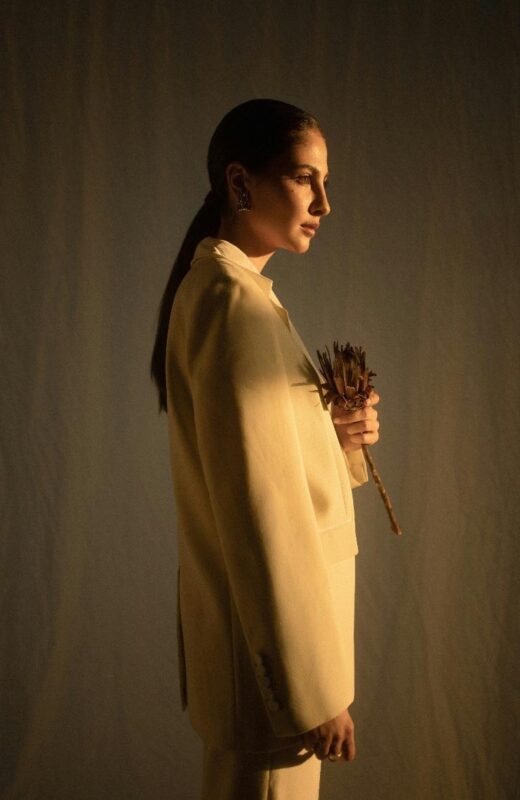
Even in real life, color can change how we’re perceived. Studies show that people wearing black are seen as more intelligent and confident. Red gets more attention in social settings — people literally look longer. Meanwhile, light blue evokes trust, making it a favorite for interviews or first dates. What we wear becomes our emotional armor, our identity printed in fabric.
MUNIPLATE THE WORLD AROUND YOU
Clothes don’t just cover the body — they manipulate the world around it. Every thread, every shade, every texture is a kind of silent spell. And the deeper you fall into fashion psychology, the more you realize: the world doesn’t respond to who you are — it responds to what you wear.
History has always known this, even if we forgot. In the roaring 1920s, when gangsters like Al Capone ruled Chicago, fashion was their weapon. They dressed like kings — pinstripe suits, glossy shoes, fedoras tilted just enough to hide the eyes. They wore silk ties while carrying revolvers, because power is not just what you hold, it’s what you project. The sharp suits weren’t vanity — they were psychology. Dressing rich, clean, and untouchable created an illusion of legitimacy. Their look whispered authority before the first threat was ever spoken.
Even war understood this. In the 1940s, soldiers’ uniforms were colored not just for camouflage but for courage — muted greens and browns to keep them grounded. Post-war fashion carried that energy into civility: trench coats, boots, structure. The world rebuilt itself, and so did its wardrobe.
Fast-forward to now — the same mind games live in our daily lives, disguised as “style.” You wear a black dress on a first date not just to look good, but to make them lean in. Black absorbs light, attention, and fear. It says mystery. It says I’m not like the rest. That’s why it’s timeless. Red lipstick? It’s the oldest weapon in the arsenal. Cleopatra used crushed beetles for it; Marilyn Monroe made it a signature; and today, it’s still the shade of confidence and control.
Want to ace an interview? Wear blue. Psychology calls it the “trust color.” It calms the brain of whoever’s watching you — it tells them you’re stable, reliable, someone who belongs.
Need to feel bold for a meeting? Try structured black with silver accessories — power and precision combined.
Feeling anxious before a big social event? Pastels lower cortisol levels; pink and lavender trick the brain into ease.
Going through heartbreak? Don’t laugh — people really do wear gray more when sad; studies have shown depressive moods lean toward neutral tones.
Even the Internet knows this. Pinterest, Instagram, TikTok — their algorithms are built to read color. The reason you stop scrolling at that one soft-beige interior post or that cherry-red outfit reel? It’s color psychology in pixels. Warm tones pull attention; cold tones calm it. Every “favorite” post, every saved pin, is a quiet reflection of your emotional state.
HAUNTING FACT:
One of the most haunting facts from fashion psychology research is this: people subconsciously mimic the energy of the clothes they wear.
Put someone in a leather jacket, and they act more rebellious. Give them soft linen, and they speak more slowly. It’s not superstition — it’s measurable behavioral change.
And look at the trends now. The rise of “clean girl aesthetic,” “mob wife style,” and “old money look” — all are emotional costumes. When life feels chaotic, we crave simplicity (neutrals, sleek buns). When we feel invisible, we crave danger (animal prints, glossy red nails). When the world feels unstable, we wear vintage — because nostalgia feels safe.
And the world will respond accordingly — just as it always has.
NOW TELL ME WHAT’S YOUR FAV COLOUR?